A Subsidy Starts with a Solid Design
The government and development partners repeatedly support investments in post-harvest agricultural infrastructure: cold storage warehouses, processing facilities, silos, farms. In the Republic of Moldova, the main subsidy mechanism funded from the national budget is administered by the Agency for Intervention and Payments in Agriculture (AIPA), and alongside it, programs funded by external partners run periodically.
The specific conditions – eligible measures, caps, reimbursement rates, application deadlines, and the list of documents – change from year to year. That is why the first step is always to consult the regulations in force and, ideally, to talk with representatives of AIPA or the program in question. In this article, we focus on the part we know best: the technical documentation for the building.
What “Technical Design” Means in the Context of an Application
As a rule, for a construction investment, the funder wants to see that the project is well defined, legal, and realistic in terms of cost. Depending on the stage and the program, this may involve:
- a zoning certificate and, later, a building permit;
- the design documentation (architecture, structure, building services, process technology), reviewed in accordance with legal requirements;
- the cost estimate or detailed price quotes;
- the construction contract and the work schedule;
- finally, the certificates of acceptance of the works.
The exact list and the order in which documents are submitted vary, so check them in the applicable applicant's guide.
Practical Steps for Preparing the Technical Part
1. Define the Investment Clearly
What you are building, for which product, with what capacity, and with what equipment. A warehouse “for fruit, about 1,000 tons” is not enough; the funder and the designer need clearly defined room uses, temperatures, flows, and equipment specifications.
2. Resolve Land Issues Early
Ownership or right of use of the land, its designated use, and access to utilities are checked by almost every program. Problems of this kind are the hardest to solve at the last minute.
3. Commission the Design from a Team Experienced in Agricultural Facilities
A well-prepared design avoids later changes. Any significant change after the application is approved may require the funder's consent and may delay payment.
4. Ensure Consistency Across Documents
Floor areas, capacities, prices, and equipment names must match across the design, the cost estimate, the quotes, the contract, and the business plan. Inconsistencies are one of the most common causes of requests for additional information and delays.
5. Plan a Realistic Schedule
Many applicants underestimate the time needed to obtain permits and to carry out the work. If the subsidy is paid after the facility is completed and accepted, bridge financing (a loan or your own funds) must be planned in advance.
The best subsidy application is one in which an evaluator can effortlessly follow the same investment, with the same figures, in every document.
Common Mistakes
- starting work before the point allowed by the regulations, which can make the expenses ineligible;
- inflated cost estimates or, conversely, unrealistically low ones, which raise red flags;
- equipment with vague specifications that cannot be compared with the quotes;
- missing or incomplete acceptance documents;
- neglecting environmental, sanitary, or fire safety requirements.
Documents During Construction
The file does not close once the application is approved. Throughout construction, it is useful to keep invoices, records of completed work, quality certificates for materials and equipment, and dated photographs of the main stages well organized. At final acceptance and during the on-site inspection, these documents demonstrate that the investment was carried out in accordance with the approved design.
The Role of the General Contractor
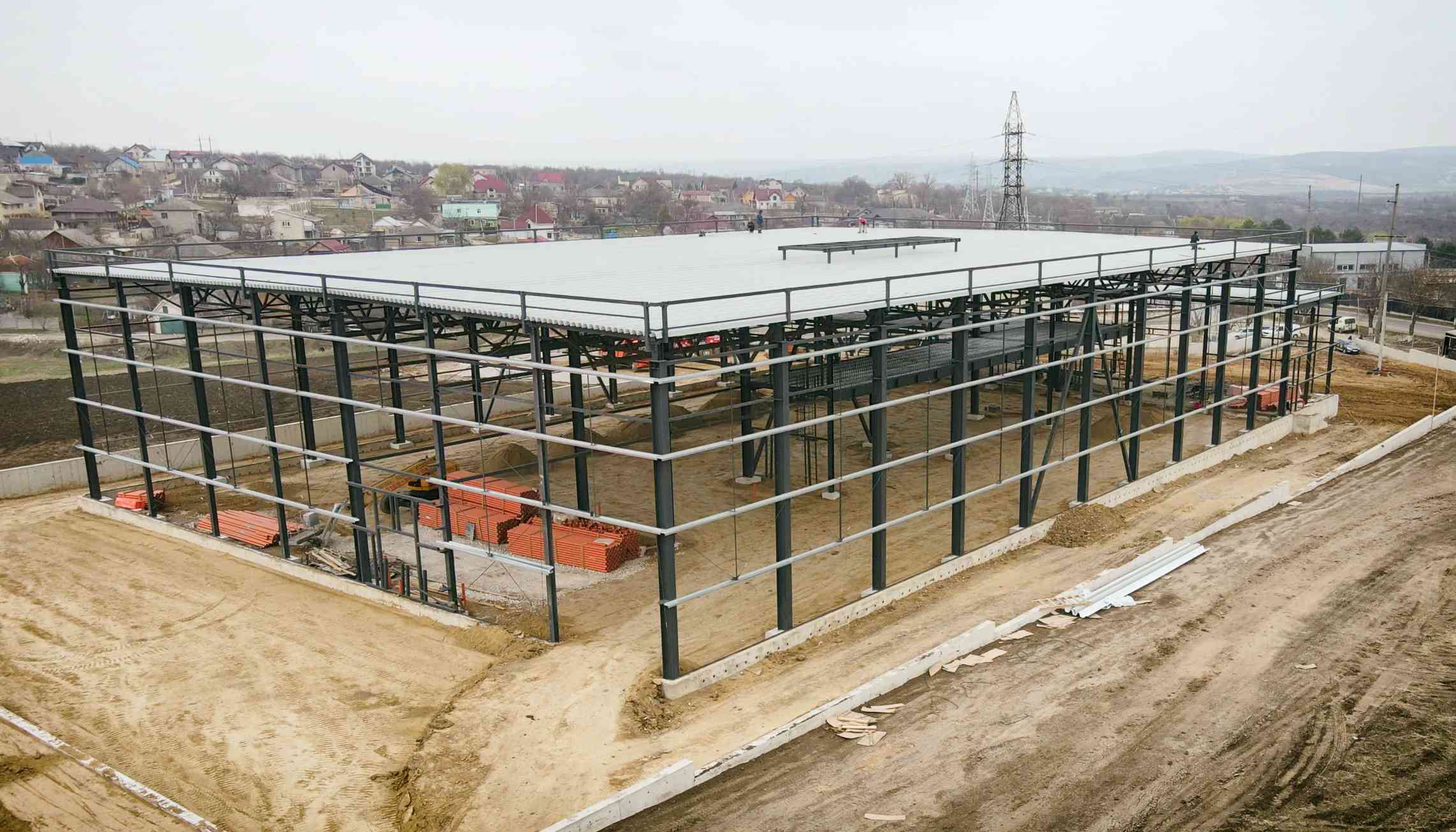
Working with a single contractor that handles design, structural fabrication, and construction greatly simplifies the documentation: one contract, one consistent cost estimate, a single schedule, and a single party responsible for acceptance. S.A. COLASS works as a general contractor and prepares technical documentation for agro-industrial facilities, including in the format required for funding applications.
Conclusion
A subsidy is a valuable tool, but the decisive factor remains the quality of the design: clear, consistent, and realistic. Always check the current rules with AIPA or the program you have chosen, and entrust the technical part to specialists who know agricultural construction.
To discuss the technical design for your investment, call +373 78 30 40 40.