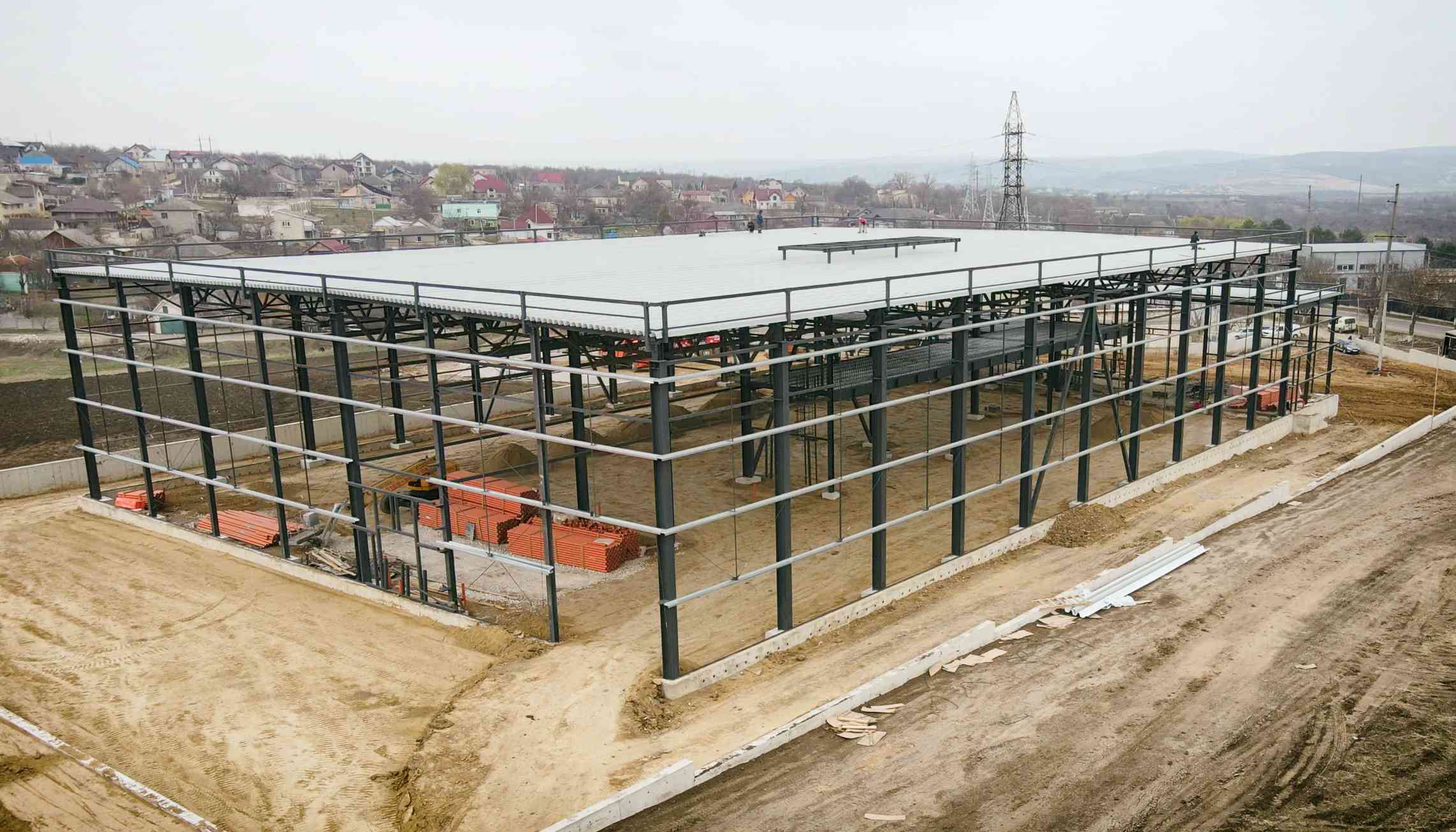
Steel structure erection is one of the most demanding stages of industrial construction. The work is done at height, with heavy members, cranes, and aerial work platforms, often in changing weather conditions. Following safety rules is not a formality: it protects people, as well as the project's schedule and budget.
Legal requirements for occupational safety and health are updated periodically. The recommendations below are practical and general; every employer must align its procedures with the legislation in force and with the site-specific risk assessment.
Planning Starts Before Erection
Safe erection is prepared in the office. The work execution plan or the erection method statement sets out the sequence for lifting members, the crane positions, the rigging arrangements, and how the stability of the structure is ensured during intermediate stages. A partially erected building without bracing is vulnerable to wind – which is why the erection sequence matters.
Before work begins, a risk assessment is carried out and the crew is trained, with each worker signing off. Training is not limited to theory: ironworkers must know the day's plan and the specific hazards in concrete terms.
Working at Height
Falls from height remain the main hazard in steel erection. The basic rules:
- using safety harnesses with shock absorbers, anchored to strong points or to horizontal lifelines;
- preferring certified aerial work platforms and scaffolding over working directly on beams;
- installing guardrails and safety nets wherever possible;
- checking personal protective equipment daily before use;
- prohibiting work at height for anyone without the appropriate medical clearance.
Lifting and Handling Loads
Crane operations require strict discipline:
- the crane operator and the rigger must be qualified and certified;
- the weight of the member, the working radius, and the crane's load chart are checked;
- slings, wire ropes, and hooks are inspected before each use, and damaged ones are taken out of service immediately;
- long members are guided with tag lines, not by hand;
- no one stands under a suspended load or within the crane's swing radius;
- communication is by agreed signals or two-way radios, with a single designated signal person.
Weather Conditions
Wind is the main enemy of steel erection. Large panels and beams behave like sails. Each crane has a maximum permissible wind speed specified by the manufacturer, and erection stops when it is exceeded. Freezing rain, dense fog, and thunderstorms with lightning are equally dangerous. The site manager must have the authority to stop work without pressure related to deadlines.
Site Organization
Marking Off Hazard Zones
The erection zone and the crane's operating radius are fenced off and marked with signs. Unauthorized persons are not allowed access, and vehicles travel along designated routes.
Order and Housekeeping
Steel members are stored stably, on supports, in erection order. Access routes are kept clear – many minor accidents start with trips and slips.
Hot Work
Welding and cutting at height require a hot work permit, fire extinguishing equipment close at hand, and an inspection of the area after the work is finished.
Personal Protective Equipment
Hard hats, safety footwear, gloves, high-visibility vests, and safety glasses are mandatory throughout the site, not just in the erection zone. Welders also wear their specific protective equipment. Equipment must be in good condition and suited to the season.
Safety Culture
Rules only work if they are followed every day. Short morning briefings, reporting incidents without fear of punishment, and the personal example of crew leaders create a culture in which everyone feels responsible for their coworkers. A safe site is usually also a well-organized and productive one.
Colass erection crews work with company-owned equipment and internal safety procedures proven on numerous industrial projects.
Looking for a contractor that takes safety seriously? Call +373 78 30 40 40 to discuss your project.