What is a controlled atmosphere
Fruit continues to “breathe” after harvest: it consumes oxygen, releases carbon dioxide and heat, and the ripening process advances. Cold slows this respiration but does not stop it. Controlled atmosphere (CA) goes a step further: in an airtight cold room, the oxygen concentration is reduced and a controlled level of carbon dioxide is maintained. The fruit essentially goes into a state of “sleep”, and its quality – firmness, acidity, color – is preserved for much longer.
The abbreviation ULO (Ultra Low Oxygen) refers to the variant in which oxygen is lowered to very low levels, on the order of 1–2%, depending on the variety. There are also dynamic technologies that adjust the oxygen level based on the fruit’s response, monitored by sensors.
What the grower gains
- A longer sales season – apples can be delivered until spring or even the following summer, when prices are often better.
- Better quality at outloading – firmer fruit, with lower weight loss and fewer physiological disorders.
- Access to demanding markets – retail chains and importers require consistent produce all year round.
On the other hand, CA/ULO means additional investment and operational discipline. Not every product or business model justifies it: for sales within a few weeks of harvest, conventional cold storage is often sufficient.
Which fruit it is used for
Controlled atmosphere is used mainly for apples and pears, where the effect is best documented. It is also applied to kiwifruit, some plum varieties and other produce, but the parameters vary widely. The exact regime (temperature, oxygen, CO₂, humidity) is set per variety, preferably together with an experienced storage technologist, because an oxygen level that is too low can cause fermentation and spoil the fruit.
What CA means for the construction of the facility
Airtightness of the rooms
This is the key requirement. A CA room must be nearly hermetic; otherwise outside air gets in and the system cannot keep oxygen low. Airtightness is achieved through:
- sandwich panels with carefully treated joints and continuous vapor barriers;
- membranes or sealing layers on the floor and at the wall-to-floor junction;
- special airtight CA doors with an inspection window and access hatch;
- sealing of all pipe and cable penetrations.
On completion, the room undergoes an airtightness test (pressure test), and the result must fall within the limits required by the equipment supplier.
Pressure relief valves and breather bag
Changes in temperature and atmospheric pressure create pressure differences between the room and the outside. To protect the panels, safety valves are provided and, as a rule, a compensation bag (breather bag) that “breathes” together with the room.
CA equipment
In addition to the refrigeration system, nitrogen generators (to reduce oxygen), CO₂ absorbers (scrubbers), gas analyzers and a centralized control system are required. These need technical space, power supply and pipe routes planned from the design stage.
Room size
A CA room is not entered after sealing until it is opened for sale. Consequently, rooms are sized so that they can be filled quickly and emptied in a short time, according to the pace of orders.
Staff safety
The air in a controlled atmosphere room cannot support life. Entering without self-contained breathing apparatus and without a clear procedure is extremely dangerous.
The design and operation must include signage, oxygen detectors, written access procedures and staff training. This is not a formality but a basic requirement.
Can you switch to CA later?
Yes, but it is much simpler and cheaper if the facility is designed from the start to be “CA-ready”: suitable panels, an airtight floor, technical space and spare power capacity. Converting ordinary rooms later may require major sealing work.
Conclusion
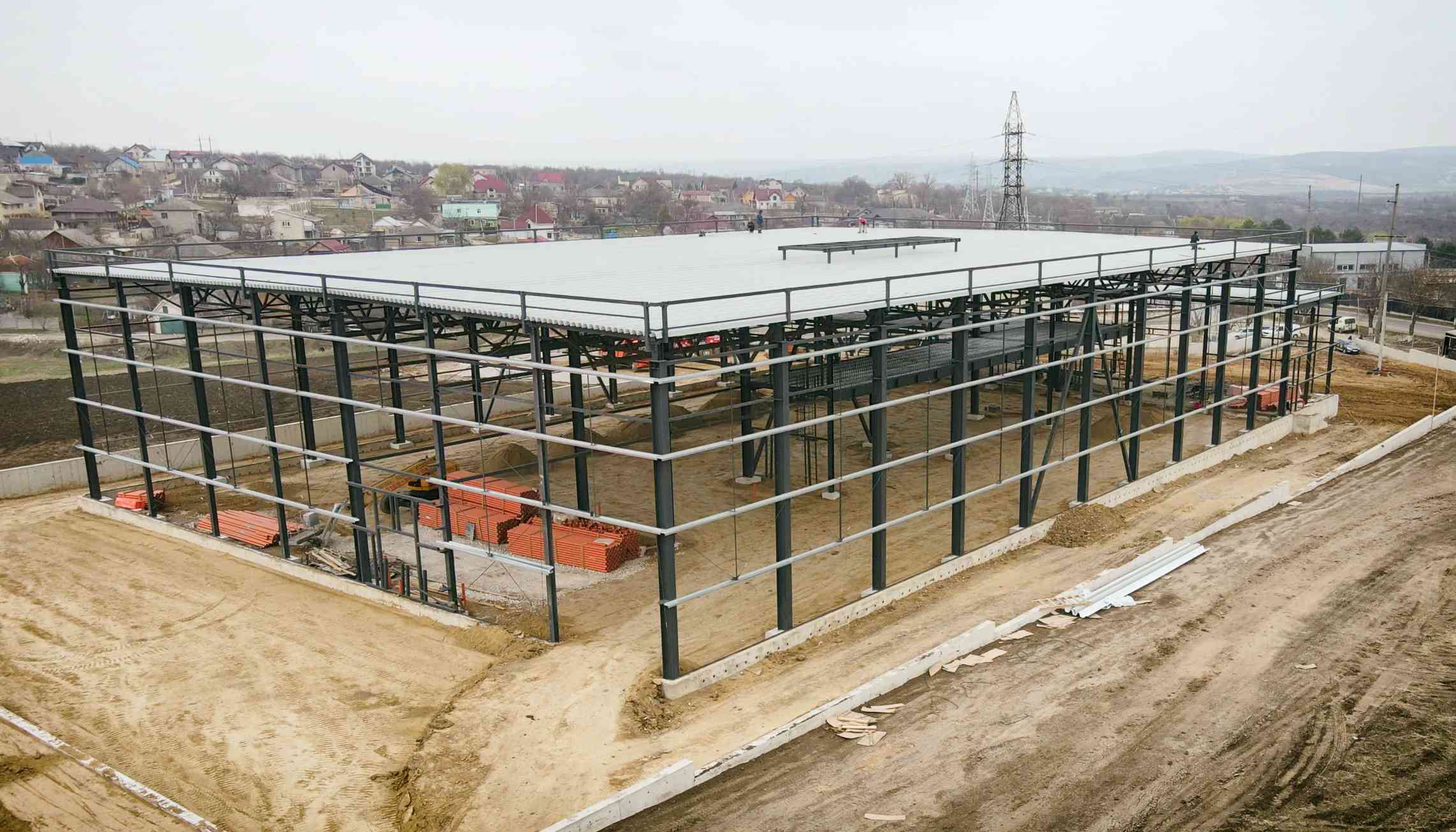
Controlled atmosphere is a mature technology that can turn a cold storage facility into a year-round sales tool, provided that airtightness, equipment and safety are handled properly. The S.A. COLASS team can design and build the structure and envelope of the facility in line with the requirements of the CA equipment supplier.
For a consultation on a controlled atmosphere storage facility, call +373 78 30 40 40 or write to us using the form on our website.